
Latest articles
Browse our blog for guides, updates, and stories.

Delays in Feedback Loops: Why Interventions Feel Like They Fail
Delays in feedback loops explain why fixes look broken early and success arrives late. Learn to mark and test delayed links.

How to Read a Causal Loop Diagram Without a PhD
How to read a causal loop diagram: variables, polarity, loops, and delays in order so you can follow any CLD in a meeting.

Systems Thinking for Executives: Five Questions Before You Act
Systems thinking for executives: five questions to surface loops, delays, and second-order effects before you commit budget or reputation.

Leverage Points in Systems Thinking: Where Small Shifts Change Outcomes
Leverage points in systems thinking show where to intervene before effort disappears into symptoms. Map loops, delays, and rules that matter.
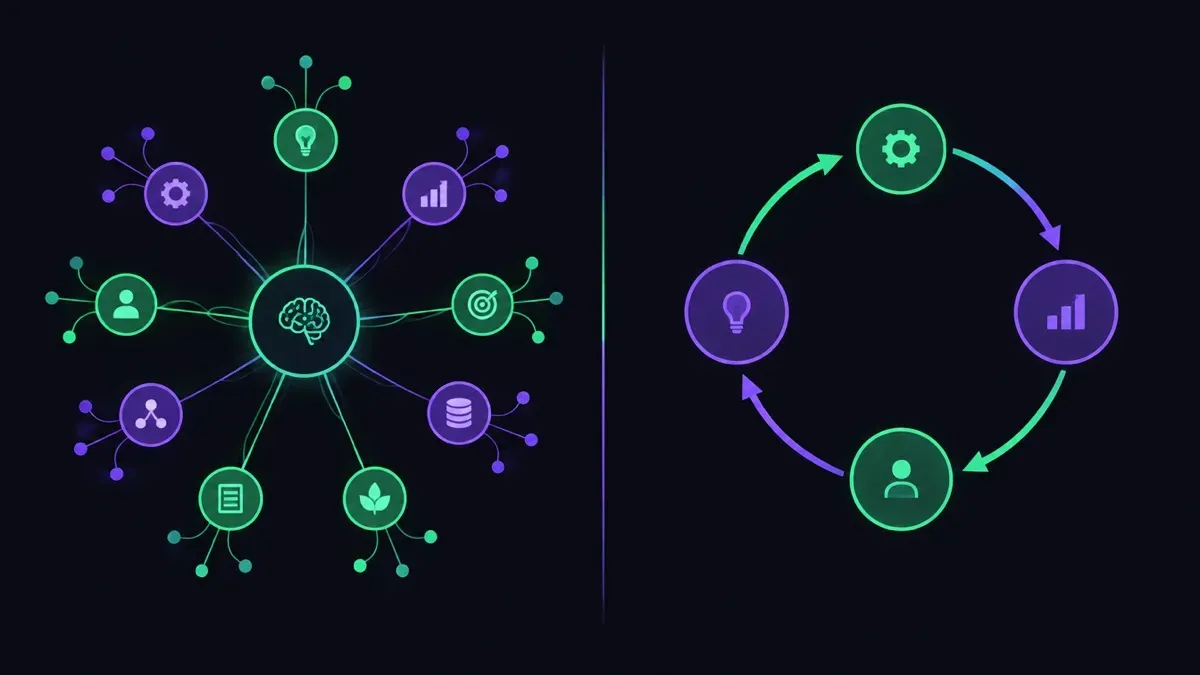
Causal Loop Diagram vs Mind Map
Causal loop diagram vs mind map: compare feedback, process flow, and brainstorming uses so you pick the right map for the job.

Second-Order Effects: Why Good Decisions Still Backfire
Second order effects explain why sensible first-round decisions surprise teams later. Learn to spot delayed feedback and unintended consequences.

Reinforcing vs Balancing Loops: Tell Them Apart in One Sitting
Learn reinforcing and balancing feedback loops with simple tests, worked examples, and a quick workflow so you can read system behavior with confidence.

What Is a Causal Loop Diagram? A Decision-Maker's Primer
A causal loop diagram maps variables, link polarity, and feedback. How to read reinforcing and balancing loops before you choose a fix.

Economic Systems Modeling: Mapping Policies, Interest Rates, and Market Feedback Loops
Learn how economic systems modeling with Holist‑IQ helps economists map policy effects, interest rates, and feedback loops shaping real economic outcomes.

Systems Thinking for Public Policy: Designing Better Political Decisions in Complex Systems
Learn how systems thinking helps policymakers understand complex policy effects, anticipate feedback loops, and design smarter public decisions.